At A Glance
- HIPAA compliance is critical for safeguarding patient data and avoiding costly violations.
- Common pitfalls include outdated systems, lax data handling, and improper communication tools.
- Misconceptions about HIPAA compliance leave many businesses vulnerable to breaches.
- Regular audits, staff training, and tool reviews improve compliance.
- A proactive approach helps protect your business, reputation, and clients.
Running an aesthetic or wellness business involves much more than providing excellent treatments and services. Behind the scenes, business owners must navigate complex regulations to protect their clients’ sensitive medical information. One of the most critical—and often misunderstood—aspects is HIPAA compliance. If your business collects any medical information, whether client intake forms, treatment notes, or booking details, you are legally responsible for safeguarding that data.
While HIPAA compliance may not be the most glamorous topic, it is indispensable for protecting your business from costly violations and reputational damage. Many business owners mistakenly believe they are safe when they are actually exposed to significant risks. To help you understand these risks and how to mitigate them, this article breaks down key insights from cybersecurity expert Andy, who specializes in IT security and HIPAA compliance for healthcare and aesthetic businesses.
Understanding Common Myths About HIPAA Compliance

One of the biggest hurdles in HIPAA compliance is dispelling common misconceptions that leave businesses vulnerable. Andy highlights two particularly pervasive myths:
- “It’ll never happen to me.” Many business owners believe that data breaches or HIPAA violations only happen to others, not themselves.
- “The bad guys will win anyway.” Some feel that breaches are inevitable and that no amount of effort will prevent them.
Interestingly, some people hold both these contradictory beliefs simultaneously. The truth lies somewhere in the middle: yes, the risk of breach is serious and real, but it is far from hopeless. There are many concrete steps you can take to protect your practice and reduce your liability.
Real-World Examples of HIPAA Violations and Their Impact
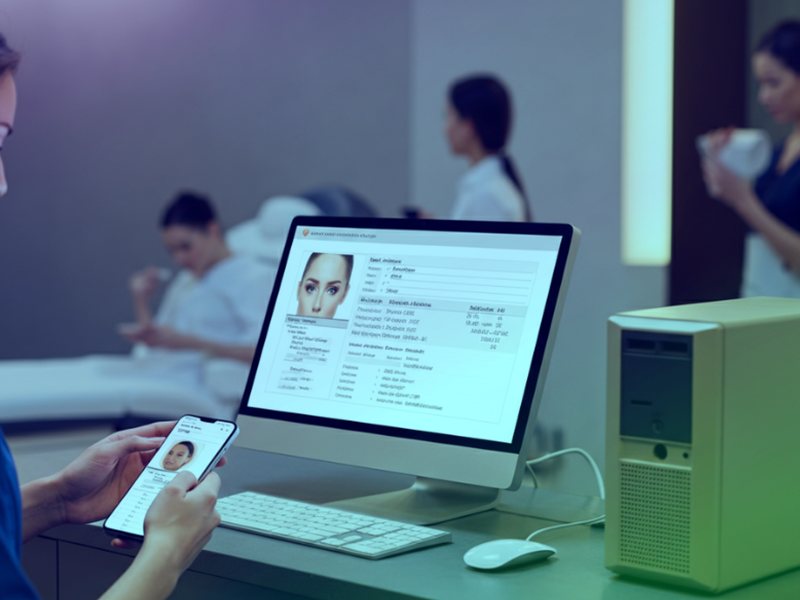
HIPAA violations can happen in ways you might not expect, often due to overlooked or outdated technology and lax staff training. Andy shares examples from his experience visiting healthcare practices, including aesthetic clinics, where he has seen:
- Computers left unlocked and visible with patient health information displayed.
- Outdated operating systems such as Windows 7 or soon-to-be-obsolete Windows 10 are still in use.
- Lack of staff training on how to protect sensitive data from unauthorized viewing.
These oversights expose practices to cyberattacks like ransomware and data breaches, which can have devastating consequences.
Beware of Common Tools That Can Violate HIPAA

Using popular communication tools without proper safeguards can inadvertently put your business at risk. For example:
- Email Providers: Many assume that Gmail or similar services are HIPAA compliant by default. However, standard Gmail accounts are not compliant unless configured correctly and paired with a Business Associate Agreement (BAA).
- Text Messaging: Texting patients directly about medical procedures or conditions can expose protected health information (PHI). General appointment reminders are usually acceptable, but discussing treatments is not.
The key dividing line is whether communication identifies the patient as receiving a specific medical service, which constitutes PHI.
The Importance of Business Associate Agreements (BAAs)

Any service provider with potential access to patient health information must have a signed Business Associate Agreement (BAA) with your business. This includes IT providers, cloud services, and marketing agencies. Even if they don’t actively use patient data, administrative access can still expose PHI.
HIPAA Compliance Beyond Just Digital Data: Medical Devices and Equipment
HIPAA compliance extends to medical devices that collect and store patient data. This includes ensuring data security throughout the device’s lifecycle, maintaining the chain of custody during repairs, and verifying that data is erased or secured before returning equipment.
What Happens When a HIPAA Breach Occurs?

A breach can be catastrophic, especially for small practices. Apart from fines, businesses often face the financial burden of notifying all affected patients. Andy recounts an example where a small practice had to pay $20,000 for patient breach notifications, which was far costlier than the actual ransom demand of $10,000.
Who Are the Cybercriminals and What Are Their Motives?

Cybercriminals range from amateurs seeking notoriety to organized crime groups conducting ransomware attacks for profit. Don’t think you’re too small to be targeted; many large-scale attacks exploit smaller entities to cause widespread disruption.
Simple Steps to Improve HIPAA Compliance This Week
- Update Patient Intake Forms with consent for using email notifications for breaches, reducing notification costs.
- Review Backup Security to ensure backups are isolated, encrypted, and regularly tested.
- Train Staff on Data Privacy to reinforce everyday best practices like locking screens and handling PHI securely.
- Audit Communication Tools to ensure compliance with HIPAA regulations.
How Often Should You Audit Your HIPAA Compliance?
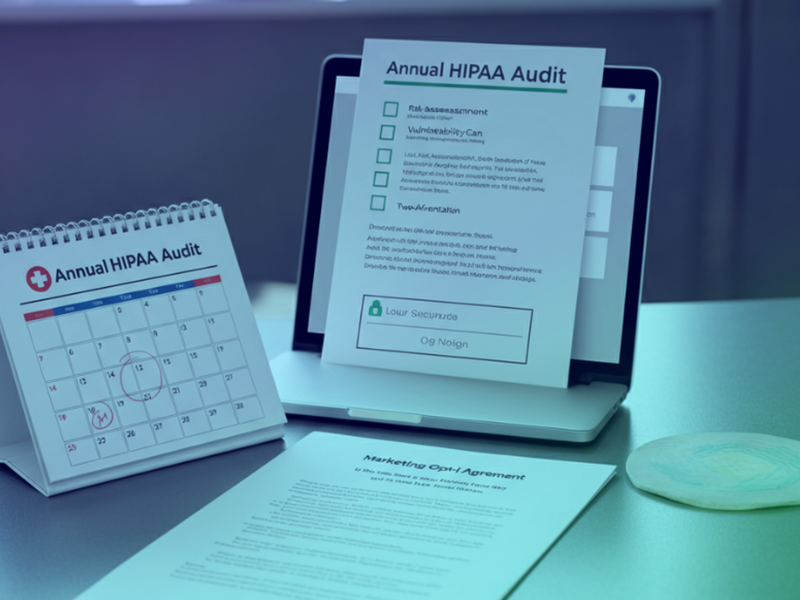
Conduct annual risk assessments and vulnerability scans to identify areas of improvement, especially with new rules requiring stricter measures like two-factor authentication and mandatory encryption.
Marketing and HIPAA: What You Need to Know
For marketing purposes:
- Leads are not considered PHI until they become patients.
- Patients must explicitly opt in to receive marketing messages.
- Avoid sending sensitive information over unsecured channels.
Where to Get Help with HIPAA Compliance and Cybersecurity
If you’re unsure about your compliance status, consult with an IT or cybersecurity expert who specializes in healthcare. They can assist with assessments, staff training, backup solutions, and BAAs.
Frequently Asked Questions (FAQ)
- What is HIPAA, and why does it matter? It’s a federal law ensuring the privacy of sensitive patient information. Compliance protects your business and clients.
- Can I use Gmail for patient communication? Not unless it’s configured for HIPAA compliance with a signed BAA.
- Is texting patients allowed? Only if it doesn’t include specific medical details.
- How often should I review compliance? Annually is the standard.
- What should I do after a data breach? Notify patients promptly, investigate thoroughly, and remediate vulnerabilities.
Conclusion and Call-to-Action
Safeguarding patient data and maintaining HIPAA compliance is vital for every aesthetic and wellness business. Here are the key takeaways to protect your practice and clients effectively:
- Regularly update and secure your IT systems to prevent vulnerabilities.
- Train your staff to handle sensitive data responsibly.
- Ensure HIPAA compliance with tools and providers through signed Business Associate Agreements (BAAs).
- Schedule annual risk assessments to stay ahead of compliance changes and cybersecurity threats.
Don’t wait until a breach or fine impacts your business. Take the first step towards better security and compliance today with MedSpaPortal. Schedule a free recommendation session to assess your HIPAA practices and learn how to protect your business. Visit https://medspamarketingportal.com/recommendation-session to get started!